 Top-Rated On Tripadvisor
 Trips for All Budgets
 Experience the real Morocco with expert guides


 Top-Rated On Tripadvisor Trips for All Budgets Experience the real Morocco with expert guides
This exclusive 7-day Sahara Desert trekking tour is the ultimate desert experience. It is unquestionably the trek of a lifetime and one that will stay in your thoughts forever.
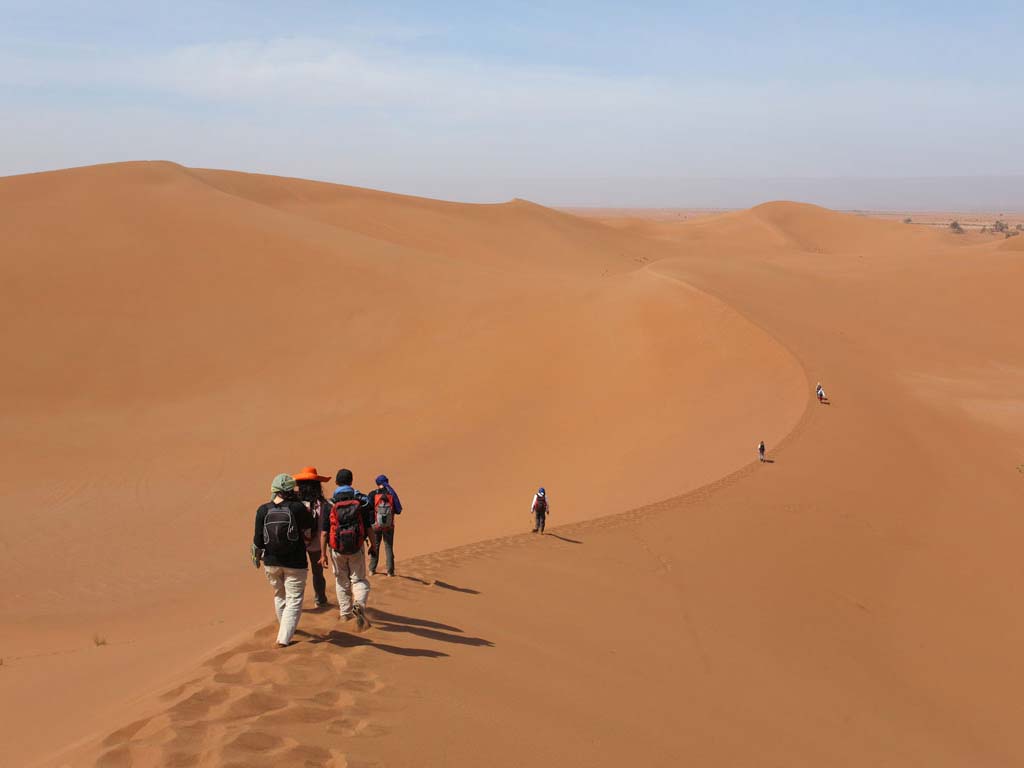
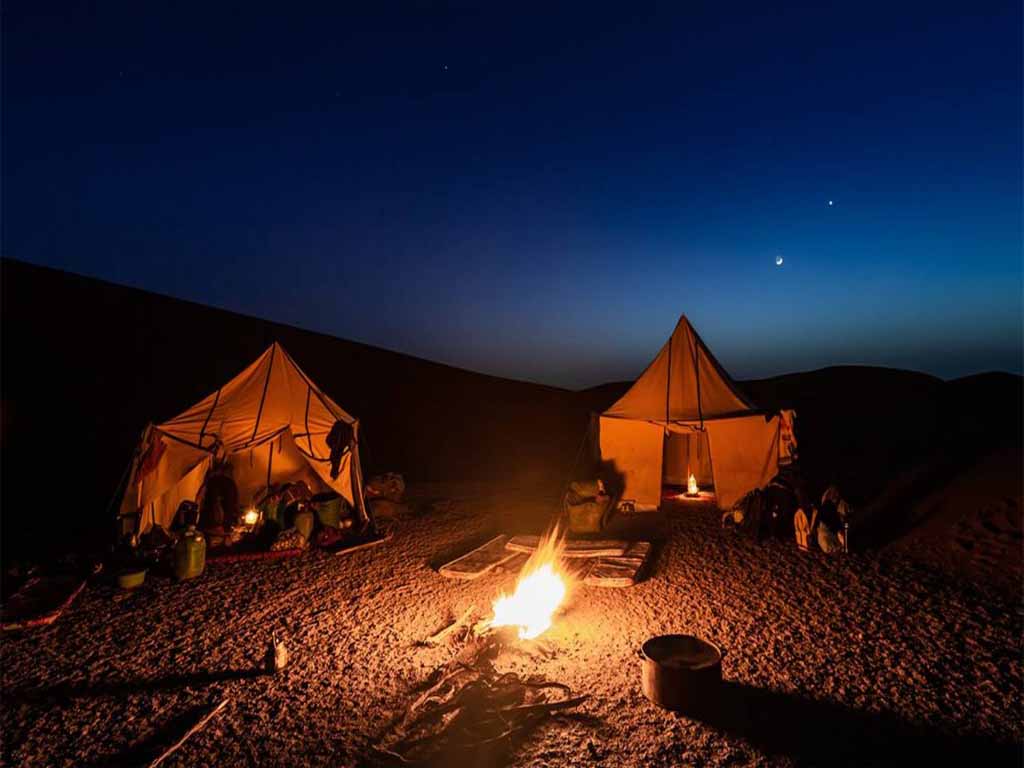
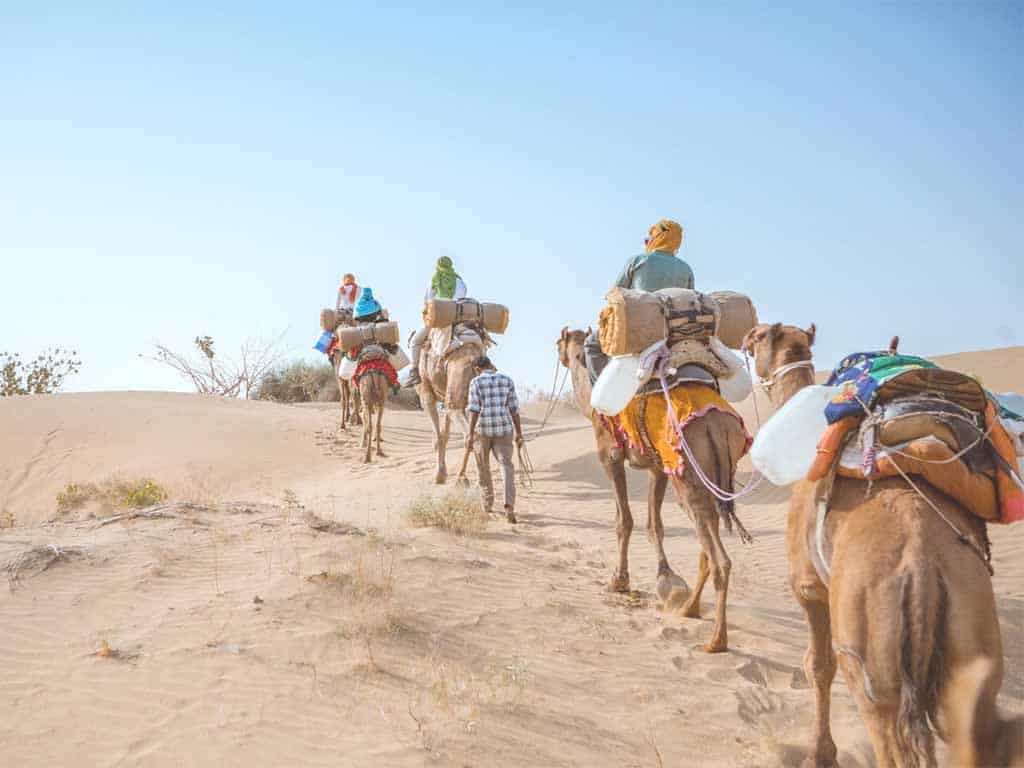
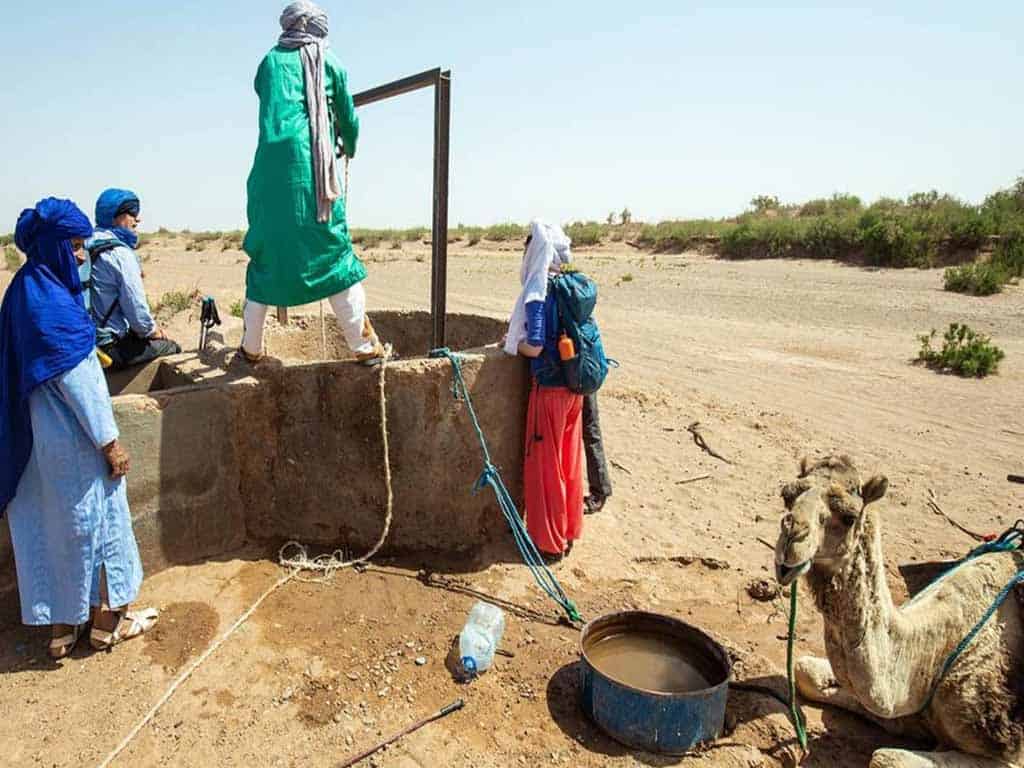
Your camel desert trek will last three days and three nights, crossing different features of the great Sahara Desert; “erg” sand dunes, “hammada” flat ground, and oases. Each stage is about three hours in the morning and again in the afternoon. You camp out in the middle of the desert under the stars for the first two trekking nights.
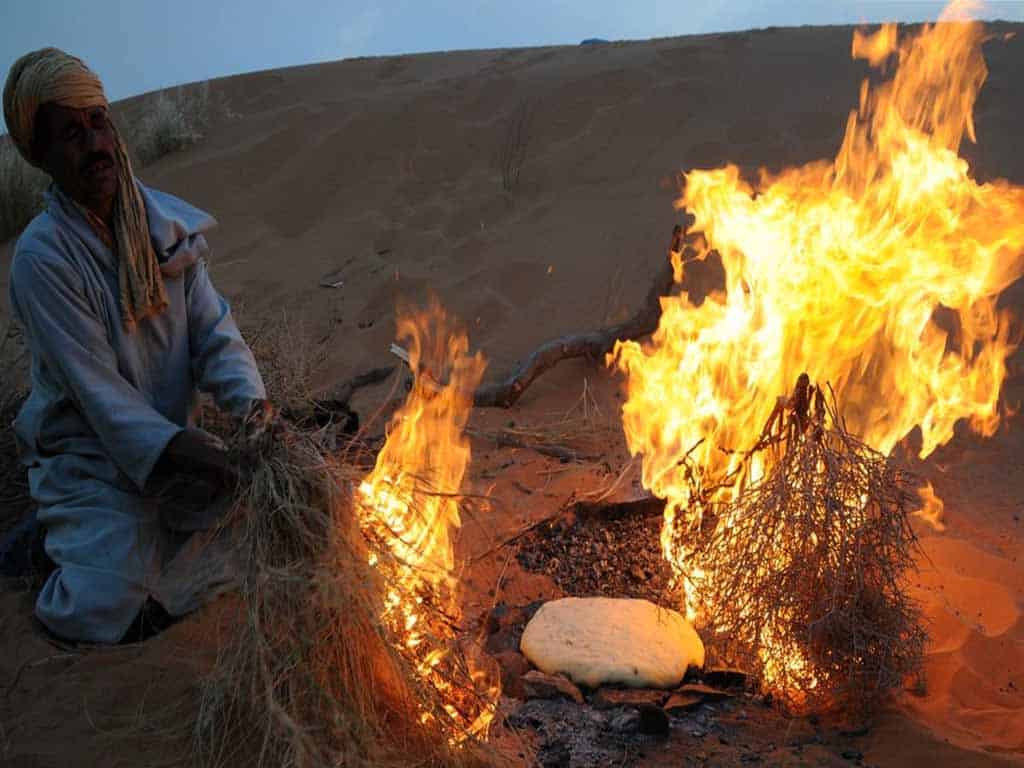
All your meals and the camp will be prepared by your camel-men each day.
This trip also offers an opportunity to experience local Berber culture and life-styles: Kasbahs, a pottery, a Qoranic library, carpet and rug making. You may also pass nomadic camps in the desert.
The ancient geological development of the area can be discovered when looking for fossils at Lake Iriqui and in the mountain and rocky landscapes en route.
| No Days | Meals |
|---|---|
| All-inclusive | |
| Total price | |
| 2 Persons |
|---|
| 955 € * |
| 1910 € * |
| 3 Persons |
|---|
| 895 € * |
| 2685 € * |
| 4 Persons |
|---|
| 860 € * |
| 3440 € * |
| 5 Persons |
|---|
| 830 € * |
| 4150 € * |
| 6 Persons |
|---|
| 830 € * |
| 4980 € * |
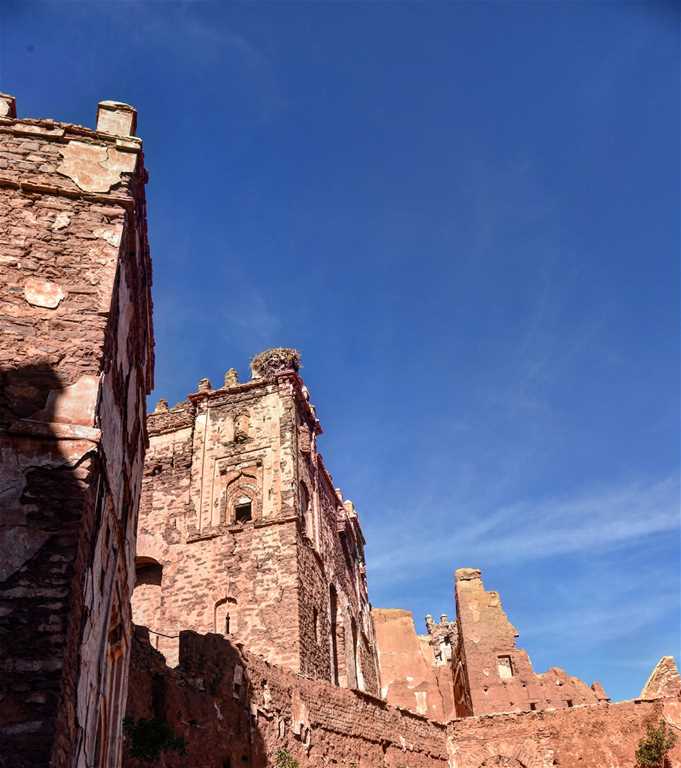
The tour starts with a departure at 8.30 from your riad in Marrakech to cross the High Atlas Mountains. After reaching the highest point in the road, you will drive into the mountains to visit Kasbah Telouet. This very famous Kasbah was the property of the Lords of the Atlas, the Glaoui family. However as the last head of the family plotted against the then King, Mohamed V, the Kasbah was confiscated from him. The local population took the opportunity to plunder it and all three main buildings built over the centuries have now been left to the vagaries of the elements.
Sadly, the entire Kasbah is presently closed due to the destruction caused by the earthquake that hit Morocco in September 2023. Nonetheless, you can still enjoy the exterior with a local guide to uncover its fascinating history.
At the end of the long, winding Ounila Valley, leading south and where Berber life-styles are very evident, you reach Aït ben Haddou, the most famous Kasbah in Morocco. It is also one of Morocco’s nine UNESCO World Heritage sites and has frequently acted as a backdrop to many a Hollywood film. It probably dates back to the 17th century and the architectural style is well preserved. The earthen constructions are perfectly adapted to local climatic conditions, and are in complete harmony with the natural and social environment.
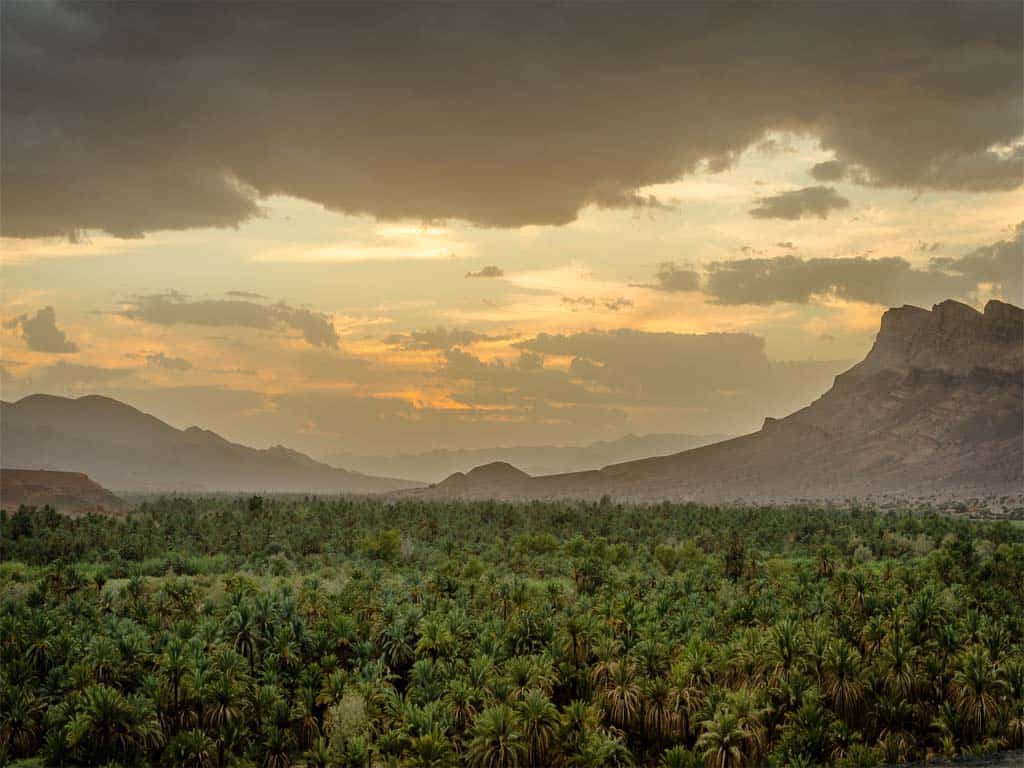
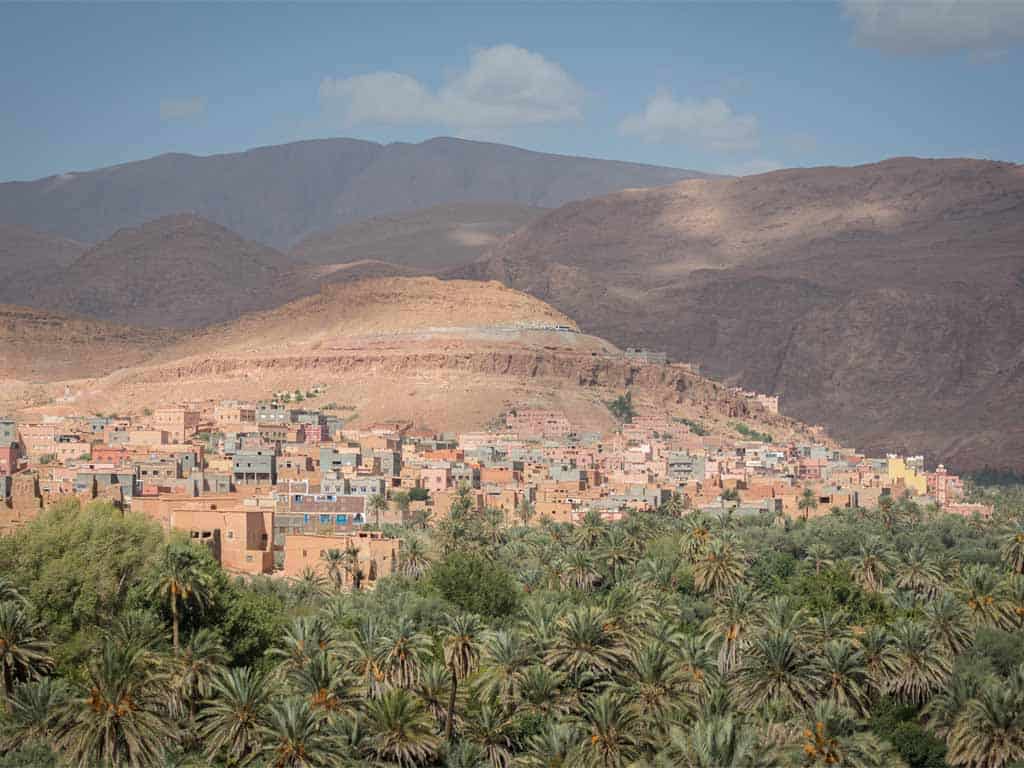
Having crossed the Anti-Atlas south of Ouarzazate, you come to the head of the Dra’a Valley. One astonishing feature of this valley is the thousands of date palms, producing an amazing 44 varieties of dates. The date harvest starts in September and lasts a couple of months, so if you are travelling in this period, you will be able to purchase the freshest one here in the souk.
A short way south of Agdez is Kasbah Tamnougalte, the oldest Kasbah in the Dra’a Valley. From here the road passes innumerable villages set on the edge of the oases. So a clear picture of ancient and modern rural Berber is gained as you travel down towards the desert.
In Zagora, we stop for lunch and just south of there, you come to a small town called Tamgroute. The local potteries work differently from those you may know in the west, so make an interesting visit. The Qoranic library nearby is full of exquisite manuscripts to admire.
Later you continue to M’hamid, the gate to the desert, whilst your excitement will surely mount with the landscapes increasingly showing signs of a desert landscape. You can enjoy the sunset from the top of the dunes close to the camp.
You have dinner and spend the night at a comfortable camp with a private bathroom, king-sized beds, beautiful Moroccan furnishings, and lamps tastefully arranged to enhance your enjoyment of the silence and beauty of the dunes.
You will trek by dromedary for three days and three nights to discover the most beautiful desert of Morocco and its vast dunes with its varying features of ‘erg’, ‘hammada’, and oases. On the afternoon of the fifth day, you will reach the famous Chegaga Dunes. Tonight’s dinner and night will be at an authentic Berber camp with tents and bathroom facilities.
Walking time each day is approximately five hours a day (two and a half hours in the morning, and the same again in the afternoon), although it is also possible to ride the camels. Other camels are there to carry the equipment. Your meals and the tents are prepared by our guides and camel drivers.
After breakfast, you will drive west across further desert areas, including the now dried-up Lake Iriqui. In the middle of this lake, you are quite likely to experience a mirage shimmering over its flat surface. But unless it has been raining hard, which is rare, and which anyway would mean you could not cross the mud, that “water” is not in fact real. On the edge of the lake, you may enjoy casting around for fossils: some lie loosely around but most are firmly fixed into the rock.
At the edge of the desert you reach Foum Zguid, from where you drive north to Taznakht. This small Berber town is famous for its Berber rugs and carpets,. You will have lunch here and later turn back east again to return to Ouarzazate at the end of the afternoon.
After breakfast, you will be able to visit the cinema studios of Hollywood fame and also Kasbah Taourirt, which also used to belong to the Glaoui family. Driving north, you again cross the Tizi-n-Tichka pass to Marrakech, which you reach at the end of the afternoon. Your Morocco desert trek comes to an end as your driver escorts you to your hotel in Marrakech.